Preliminary estimates highlight the financial challenges of wildfire mitigation in a city with aging homes, established landscaping, and densely developed neighborhoods.
California’s forthcoming Zone 0 wildfire regulations are intended to reduce the risk of homes igniting during a wildfire. But as state officials continue working to finalize the requirements, an important question remains unanswered:
How much will compliance actually cost property owners?
For the City of Los Angeles, the answer could involve hundreds of millions of dollars.
A preliminary analysis by MySafe:LA suggests that the combined cost of Zone 0 improvements across affected Los Angeles properties could approach $500 million, depending on the number of properties requiring modifications and the average cost of those improvements.
That figure is not an official estimate, nor does it represent a prediction of what every homeowner will spend. Instead, it illustrates the potential magnitude of the financial burden and why Los Angeles needs a more detailed understanding of the costs associated with the forthcoming regulations.
The Potential Cost: $232 Million to Nearly $500 Million
The Los Angeles Fire Department reports that approximately 155,000 parcels within the City’s Very High Fire Hazard Severity Zone are included in its annual brush clearance inspection program.
While that figure does not establish the precise number of properties that will require Zone 0 modifications, it provides a useful starting point for evaluating the potential citywide financial impact.
Using 155,000 properties as an illustrative baseline, MySafe:LA examined three possible average compliance costs.
| Avg Cost Per Parcel | Illustrative Citywide Cost |
|---|---|
| $1,500.00 | $232.5 million |
| $2,500.00 | $387.5 million |
| $3,200.00 | $496 million |
MySafe:LA believes $3,200 per property is a plausible preliminary planning assumption for evaluating the potential scale of the challenge in Los Angeles.
It is not a validated average. Actual costs could be substantially lower or higher depending on the property.
These scenarios assume that all 155,000 properties incur the stated average expense. Some properties may already meet the eventual requirements, while others could require extensive modifications.
For perspective, even if only 75% of the modeled properties required improvements averaging $3,200, the total would still reach approximately $372 million.
The calculations also do not include the additional costs of broader home-hardening improvements that may be advisable but are not required by Zone 0.

Los Angeles Has a Major Challenge: Older Homes
One of the most important factors affecting potential compliance costs is the age of Los Angeles’ housing inventory.
According to the U.S. Census Bureau’s 2024 American Community Survey, Los Angeles has approximately 1.59 million housing units.
Of those:
- Approximately 84% were constructed before 2000, representing roughly 1.34 million housing units.
- Nearly 69% were constructed before 1980, representing approximately 1.09 million housing units.
These statistics apply to the entire city, not exclusively to properties within designated wildfire hazard zones. They also count housing units rather than individual buildings.
Nevertheless, they demonstrate the age of much of Los Angeles’ residential development.
Why does that matter?
Many older homes were constructed decades before today’s wildfire mitigation standards were developed. Over time, property owners have installed landscaping, fences, gates, decks, and other exterior improvements that may now require modification.
Established landscaping can be especially challenging.
Removing a small shrub from a recently constructed property may be relatively inexpensive. Removing decades-old hedges, mature vegetation, or extensive combustible landscaping can require considerably more labor, specialized equipment, disposal, and replacement work.
Older homes may also have wooden fences and gates connected directly to structures, combustible features near exterior walls, and other conditions that complicate compliance.
A home built in 1955 may face a very different financial challenge than one constructed in 2015.
MySafe:LA believes properties more than 18 years old, and particularly those more than 25 years old, deserve closer examination when developing compliance cost estimates.
These age categories are not established cost predictors. They are useful starting points for examining whether older properties require more extensive modifications.
Why Los Angeles May Cost More Than the Statewide Average
California’s Board of Forestry and Fire Protection has been working to establish Zone 0 regulations that can be applied across the state.
However, the costs associated with implementation will not necessarily be consistent from one community to another.
Los Angeles presents several challenges.
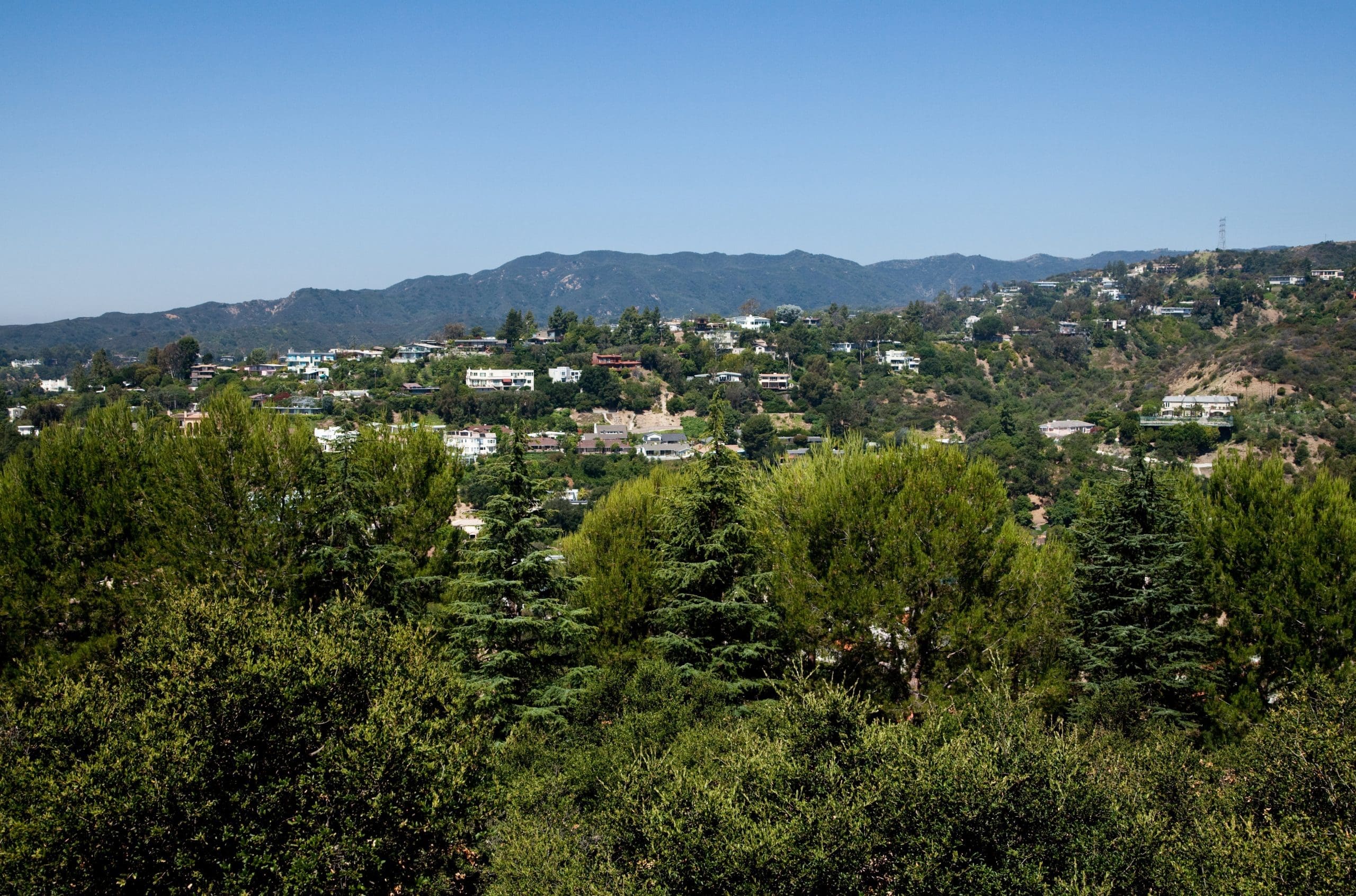
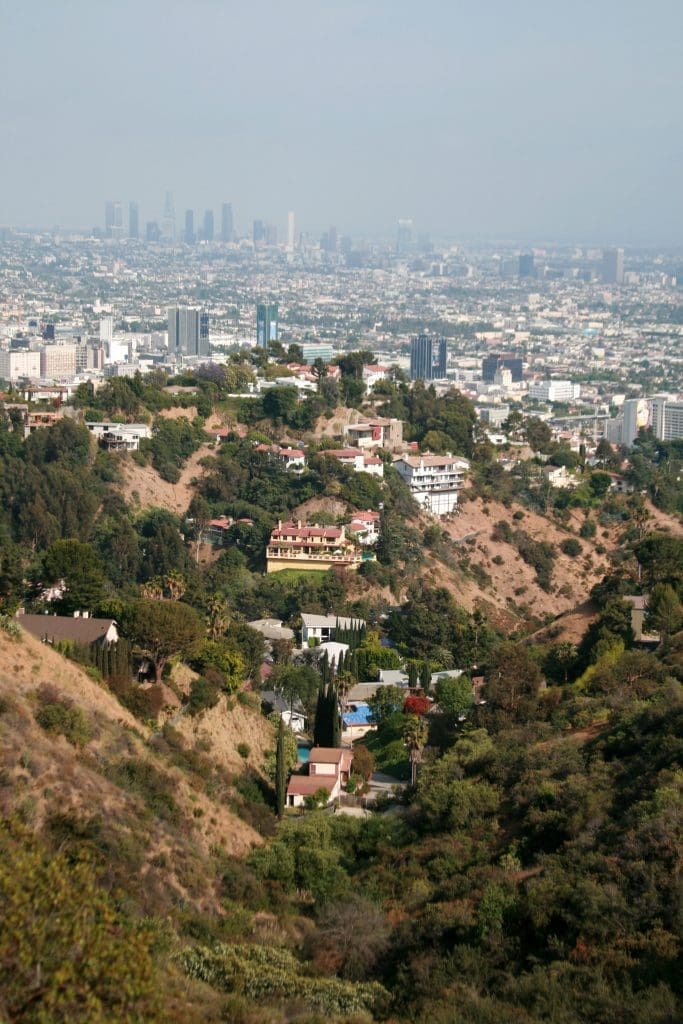
Closely spaced homes. Many neighborhoods have narrow setbacks, with structures separated by only a few feet. Modifying landscaping, fences, and other features in these confined spaces may be more complicated than working on properties with generous setbacks.
Mature landscaping. Established neighborhoods often contain extensive vegetation that has grown for decades. Removing or replacing these features can be expensive.
Hillside properties. Steep terrain, retaining walls, limited access, and difficult working conditions can increase labor and equipment costs.
Older construction. Many homes were built before modern wildfire-resistant construction standards, potentially creating additional vulnerabilities beyond the immediate Zone 0 area.
High local labor and disposal costs. Landscaping, construction, debris removal, and material replacement costs can vary significantly by region.
These conditions suggest that Los Angeles property owners could face compliance costs above statewide averages.
That possibility requires further study. Building age and neighborhood density alone do not establish how much a property will cost to bring into compliance.
But they provide compelling reasons not to assume that a statewide average will accurately represent Los Angeles.
Zone 0 Is Not the Same as Home Hardening
Another important distinction involves the difference between complying with Zone 0 and making a home more resistant to wildfire.
Zone 0 generally refers to the first five feet surrounding a structure. The objective is to reduce opportunities for embers, radiant heat, or direct flames to ignite materials close to the building.
Depending on the final regulations and applicable local requirements, property owners may need to remove or modify combustible vegetation, mulch, fencing, stored materials, or other features near their homes.
However, wildfire resilience involves much more than the surrounding landscape.
Older homes may benefit from additional improvements, including:
- Ember-resistant attic and foundation vents.
- Improved garage door protection.
- Roof and gutter maintenance or upgrades.
- Window improvements.
- Exterior siding modifications.
- Eave and soffit protection.
- Deck and attached-fence improvements.
These measures can improve wildfire resistance, but they should not automatically be confused with mandatory Zone 0 compliance.
For some older homes, the cost of comprehensive home hardening could exceed the expense of modifying the immediate five-foot area.
That creates two separate financial questions: What must property owners spend to comply with Zone 0, and what additional investments would meaningfully improve their homes’ wildfire resilience?
Both questions deserve attention.
Not Every Property Will Face the Same Expense
A single average cost can obscure significant differences among properties.
Some homeowners may already have noncombustible landscaping, limited vegetation, and few combustible features near their homes.
Others may face extensive work involving vegetation removal, fence replacement, landscape reconstruction, or modifications to structures.
The financial impact will also differ among single-family residences, multifamily developments, and commercial properties.
For example, a multifamily property containing 20 apartments should not automatically be assigned 20 times the cost of a single-family home. The relevant expenses depend on the number and configuration of buildings, the surrounding grounds, and the improvements required.
Commercial properties present additional variables involving building size, landscaping, site access, and exterior construction.
A meaningful Los Angeles cost assessment should therefore examine actual property conditions rather than relying exclusively on a single average.
Who Will Pay for the Work?
Perhaps the most important unanswered question is how property owners will afford the necessary improvements.
Los Angeles includes many older adults who have owned their homes for decades. Some live on fixed incomes. Others may have significant equity in their properties but limited cash available for landscaping or construction projects.
A $3,200 expense may be manageable for one homeowner and a serious financial hardship for another.
And some properties could require considerably more work.
Financial assistance will be particularly important if the City expects widespread compliance within a defined implementation period.
Potential resources include government grants, local assistance programs, insurance incentives, nonprofit support, and financing opportunities.
However, the availability of these resources varies.
An insurance discount, for example, may provide financial benefits over time, but it does not necessarily help a homeowner pay a contractor today.
Similarly, a free wildfire assessment can help identify necessary improvements and prevent unnecessary spending, but it does not pay for construction.
Los Angeles needs to understand not only what financial resources exist, but also how much assistance is actually available to eligible property owners.
Particular attention should be given to older adults, lower-income households, people with disabilities, and residents facing significant financial challenges.
What Should Los Angeles Consider?
The City has an opportunity to develop a more realistic picture of Zone 0 implementation costs by examining its own building inventory.
LAFD’s existing inspection records, City GIS resources, and Los Angeles County Assessor data could help establish how many affected properties are single-family residences, multifamily developments, or commercial buildings.
That information could also identify when buildings were constructed and where older properties are concentrated within designated wildfire hazard zones.
A representative sample of properties could then help establish the actual cost of different improvements, including vegetation removal, landscape replacement, fencing modifications, and recurring maintenance.
Such an analysis would also help the City evaluate implementation timelines, financial assistance needs, and potential local approaches that provide appropriate wildfire protection while recognizing the characteristics of Los Angeles neighborhoods.
The goal should not be to reduce wildfire safety.
It should be to establish practical requirements that property owners can understand, implement, and afford.
Zone 0 Regulations Are Still Being Finalized
As of October 2026, California’s updated Zone 0 regulations have not completed the final administrative approval process.
The Board of Forestry approved a regulatory package in August, but subsequently withdrew it from Office of Administrative Law review to address procedural and technical matters.
The Board continues working toward completion of the regulatory process.
This means property owners should be cautious about interpreting proposed requirements as regulations that are already in effect.
Existing defensible space and brush clearance requirements remain important, and local jurisdictions may have additional applicable rules.
Property owners should continue maintaining their properties and reducing wildfire hazards while following official announcements regarding the final Zone 0 regulations and implementation schedules.
Wildfire Safety Must Also Be Financially Achievable
MySafe:LA has spent nearly two decades working with the Los Angeles Fire Department and communities throughout Southern California to improve fire safety and reduce wildfire risk.
Our field experience demonstrates that property conditions vary considerably, even within the same neighborhood.
We support practical, science-based wildfire mitigation. We also believe successful implementation requires an understanding of the financial realities facing property owners.
The preliminary calculations presented here suggest that Zone 0 compliance could represent hundreds of millions of dollars in private expenditures across Los Angeles.
The actual total remains unknown.
But the potential scale of the expense makes one thing clear:
Los Angeles needs a realistic, locally informed understanding of compliance costs before those costs become an obligation for tens of thousands of property owners.
Establishing reasonable costs, identifying financial assistance, and recognizing the challenges of older neighborhoods will be essential to achieving the broader goal of reducing wildfire losses.
Protecting homes from wildfire is a shared responsibility. Making those improvements achievable must be part of the conversation.
About the Estimates
The financial scenarios in this article were developed by MySafe:LA for preliminary planning and public discussion. They are not official City of Los Angeles or State of California estimates.
Calculations use approximately 155,000 parcels identified in LAFD’s annual Very High Fire Hazard Severity Zone brush clearance inspection program. This inventory has not been established as the number of properties requiring Zone 0 modifications.
Housing age statistics are from the U.S. Census Bureau’s 2024 American Community Survey, Table B25034, and apply to housing units throughout the City of Los Angeles.
Actual compliance costs will depend on the final regulations, existing property conditions, applicable local requirements, and the extent of improvements necessary.