During Community Risk Reduction (CRR) Week, it’s important to clarify a common misunderstanding:
CRR is not simply “fire prevention.”
CRR starts earlier—and goes much deeper.
At its core, Community Risk Reduction begins with identifying real, measurable risks in a community. That includes wildfire exposure, structural vulnerabilities, emergency medical response gaps, demographic risks, infrastructure limitations, and historical incident data. Without understanding risk, prevention efforts are guesswork.

Once risks are identified, a strategic plan is developed—one that is grounded in data, aligned with fire department capabilities, and tailored to the specific needs of a neighborhood or population. There is no one-size-fits-all solution in CRR.
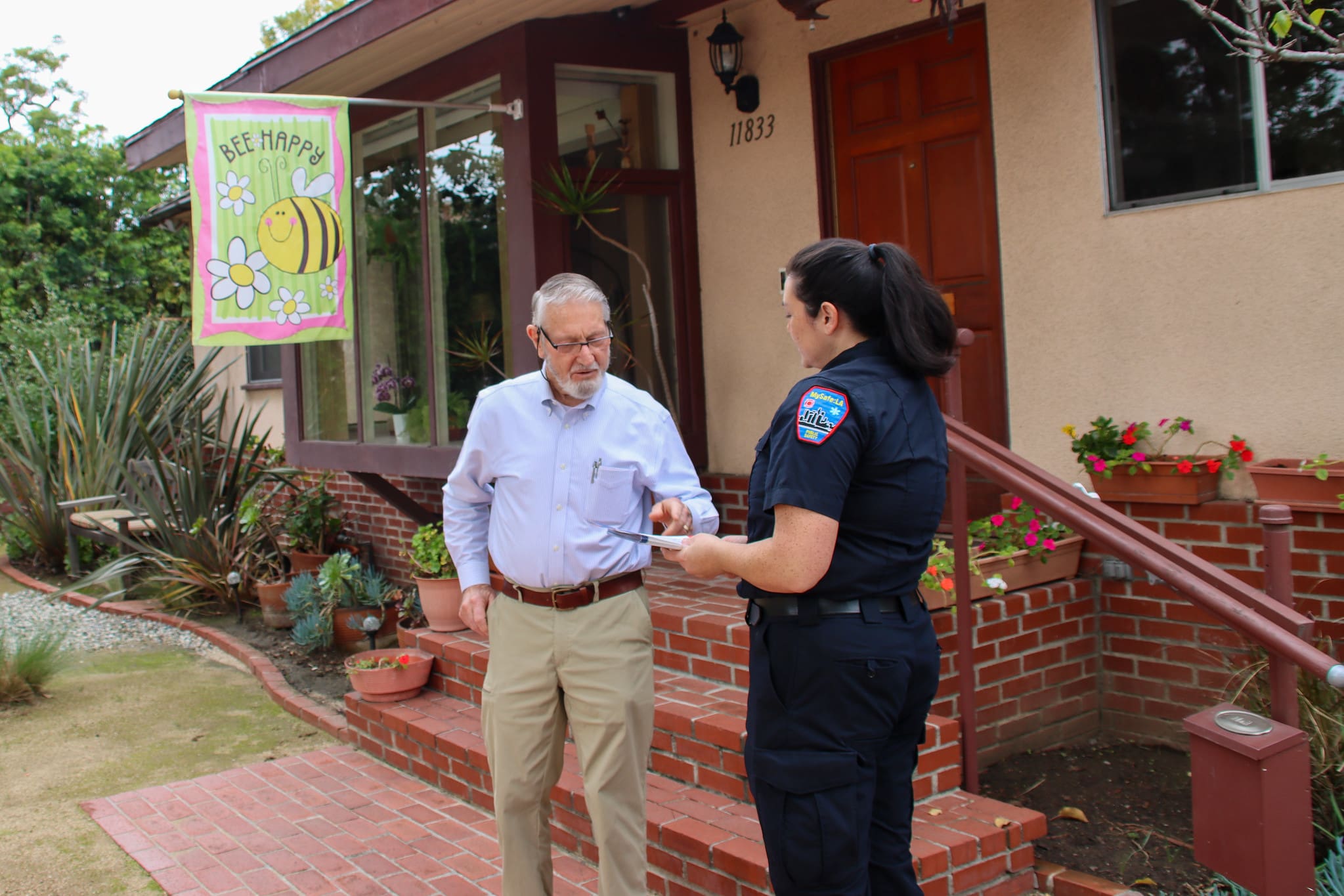
The strategy then moves into boots-on-the-ground action. For MySafe:LA, that means:
- Teaching CPR and lifesaving skills to high school students
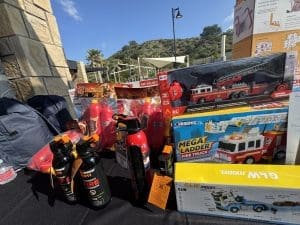
- Educating elementary school children about fire hazards and safe behavior
- Helping communities form Fire Safe Councils and NFPA Firewise® sites
- Delivering wildfire mitigation education and preparedness resources
- Working alongside fire department partners to fill gaps in public education and services
Just as important as delivery is data capture. Every class taught, home assessed, community engaged, and mitigation effort completed generates information. That data becomes metrics—measurable outcomes that allow us to evaluate what’s working, what isn’t, and where resources should be focused next.

The end result of true Community Risk Reduction is not just fewer incidents—it’s actionable intelligence. CRR creates a foundational analysis that informs future mitigation, improves decision-making, and strengthens long-term community resilience.
At MySafe:LA, CRR isn’t a campaign or a checkbox. It’s a disciplined, data-informed cycle:
Identify risk → Plan strategically → Deliver services → Measure outcomes → Reduce harm.