When we think of natural disasters in Southern California, memories of the January 2025 wildfires in the Palisades and Altadena dominate the public imagination. But the truth is far more sobering: while wildfires will continue to shape our landscape and challenge our readiness, a major earthquake — capable of crippling Los Angeles in a single moment — is not if but when.
Los Angeles is in earthquake country. Our region sits atop major fault systems — including the Newport/Inglewood and Raymond Faults, not to mention being close to the San Andreas fault and numerous regional strands of it — where tectonic stress accumulates over centuries, waiting to be released. California’s earthquake history isn’t ancient legend; it’s recent, devastating, and remains unresolved.
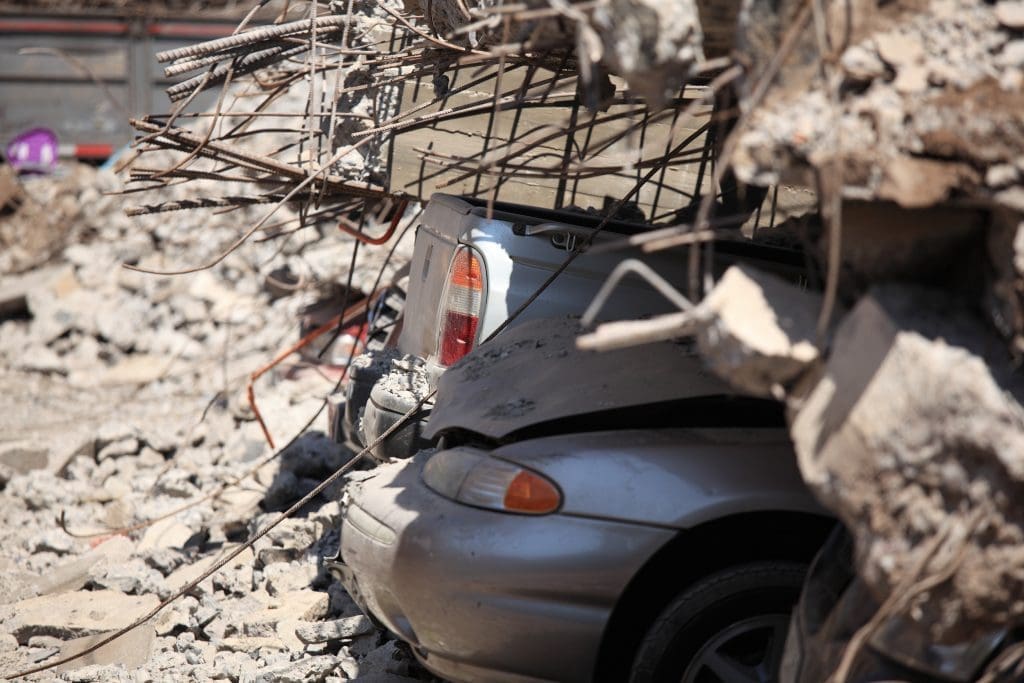
Earthquake History: California’s Past as Prologue
Over the past 100+ years, multiple significant earthquakes have shaken California:
- 1906 San Francisco Earthquake (Approx. M7.8) — One of the most powerful quakes in U.S. history, causing immense urban firestorms and economic disruption. Although the city wasn’t destroyed, the fire-induced transformation of entire neighborhoods changed the region forever.
- 1971 San Fernando (Sylmar) Earthquake (M6.6) — Caused widespread structural damage in the Los Angeles region, especially to hospitals and freeways.
- 1989 Loma Prieta Earthquake (M6.9) — A major earthquake in Northern California that caused significant economic impact and infrastructure failures, resulting in tens of billions of dollars in losses.
- 1994 Northridge Earthquake (M6.7) — The costliest natural disaster in U.S. history to date, this quake struck within the sprawling Los Angeles metropolitan area, collapsing freeways and thousands of buildings. Adjusted for inflation and Los Angeles’s continued growth, similar damage today would exceed tens of billions of 2026 dollars.
These quakes remind us that even moderate-magnitude earthquakes in urban areas can have outsized impacts — not just measured in dollars, but in lives displaced, infrastructure damaged, and community function disrupted.
California vs. the World: A Global Shake-Up
Earthquakes don’t very often get quieter over time — they redistribute their energy globally. In recent years, major events around the world have shown just how devastating seismic hazards can be:
- 2025 Kamchatka, Russia (M8.8) — The largest quake recorded since the 2011 Tōhoku event, strongest worldwide in years.
- 2025 Cebu, Philippines (M6.9) — Caused notable casualties and widespread damage in Visayas.
- 2025 Kunar, Afghanistan Earthquake — A magnitude event killing thousands and destroying entire villages in rural valleys.
- Tibet Earthquake (M6.8–7.1) — Devastated homes, killed scores, and showed how even high-elevation regions can see severe damage.
These global earthquakes underscore a sobering truth: wherever people live near active faults or subduction zones, the risk of catastrophic shaking is real — and losses are both human and economic.
Los Angeles: A City at Risk
Los Angeles is unique: not only is it one of the largest urban populations in the United States, but it also sits atop a network of interacting faults that could trigger a major earthquake in the near future—tomorrow or in years to come. Seismologists often warn that the San Andreas fault system is capable of generating earthquakes *large enough to devastate urban infrastructure, disrupt services for weeks or months, and challenge emergency response across the region.
Add in the social, economic, and logistical demands of significant upcoming events — the World Cup, the 2027 Super Bowl, and the 2028 Olympic Games — and the stakes are even higher. Visitors and global attention will put even greater demand on our infrastructure, emergency services, and readiness.

Why We Must Prepare for All Disasters — Not Just One
The January 2025 wildfires were a stark reminder that disasters can overwhelm systems quickly. But wildfires unfold over hours and days — earthquakes can strike without warning, collapsing roads, rupturing pipelines, and bringing buildings down in seconds.
That’s why preparedness must be holistic and continuous:
Community Preparedness
- Earthquake retrofitting for older buildings
- Citizen education on “Drop, Cover, Hold On”
- Neighborhood disaster response teams
Technology & Early Warning
- Earthquake early warning systems (like ShakeAlert) provide seconds of warning before shaking arrives — enough to stop trains, shut down utilities, and prepare first responders.
Infrastructure Resilience
- Strengthening hospitals, schools, transportation corridors, and utilities
- Planning for post-quake evacuation, shelter, and healthcare
Personal Preparedness
- Emergency kits with 72+ hours of supplies
- Family communication plans
- Understanding your home’s hazards
Conclusion: We Live Here — We Must Prepare
Los Angeles is a city built on resilience, innovation, and community strength. But resilience isn’t passive — it’s the product of planning, investment, coordination, and vigilance. With the help of organizations such as MySafe:LA, The Earthquake Center at USC, USGS, Caltech, and local governments, our neighborhoods can become prepared.
Earthquakes will not wait for our convenience. But with informed citizens and coordinated preparation, we can reduce injuries, economic losses, and recover faster when the next big one comes — whether it’s tomorrow, next year, or within our lifetimes.
We live in earthquake country. Now is the time to be prepared.