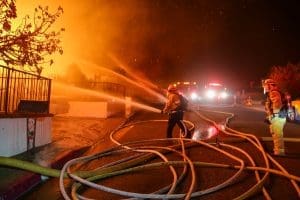
As 2026 begins, many Los Angeles County communities are approaching a difficult and emotional milestone: the one-year anniversary of the January 2025 wildfires that devastated Pacific Palisades, Altadena, and surrounding neighborhoods.
Anniversaries after a disaster are complicated. They invite remembrance, grief, and unresolved frustration, but they also force clarity. One year later, we understand far more than we did in the chaotic days immediately following the fires. We know what worked, what failed, and what cannot be repeated. Most importantly, we now understand that wildfire resilience cannot rest solely on fire departments, emergency managers, or government agencies. Communities, neighbors, families, and individuals must share it.
The question before us in 2026 is not simply how we recover, but how we move forward—together.
A New Year With Familiar Challenges
For many wildfire-impacted residents, 2026 may prove even more difficult than the year that followed the fires. Financial assistance has expired for some. Insurance disputes remain unresolved for others. Temporary housing arrangements are ending, while rebuilding costs continue to rise.
In communities such as Pacific Palisades and Altadena, families who have lived in their homes for decades are confronting a painful reality: rebuilding may no longer be financially feasible. For some, leaving is not a choice; for others, staying comes at a cost they did not expect.
In Altadena, “Not For Sale” signs have become a visible symbol of community identity and resistance. At the same time, many empty lots are quietly on the market, reflecting the tension between deep roots and economic pressure. This contradiction is not a failure of resolve—it is the human reality of long-term recovery after catastrophic wildfire.
These challenges will not disappear in 2026. But alongside them exists something equally real: opportunity.
Opportunity to rethink how we prepare.
Opportunity to organize before the next fire, not after.
Opportunity to strengthen communities in ways that last beyond a single incident.
Lessons From January 2025
The January 2025 wildfires underscored a reality that can no longer be ignored: wildfire is not a seasonal or rural threat. It is a year-round risk that increasingly affects urban and suburban communities in the wildland-urban interface.
For fire departments and emergency responders, the lessons are operational—improving pre-deployment strategies, enhancing prevention efforts, refining cold-trailing practices, and adapting response models to more complex and fast-moving incidents. These conversations are critical and ongoing.
But the fires also revealed something just as important: the public’s role in wildfire preparedness is no longer optional.
Preparedness cannot begin when smoke is already visible or when evacuation orders are issued. It must be built over time—through education, planning, and strong community networks. Without that foundation, even the best response systems are strained.
The Role of Community in Wildfire Resilience
A single agency or program does not create wildfire resilience. It is built through relationships, shared responsibility, and sustained engagement. This is where community-based organizations play a vital role.
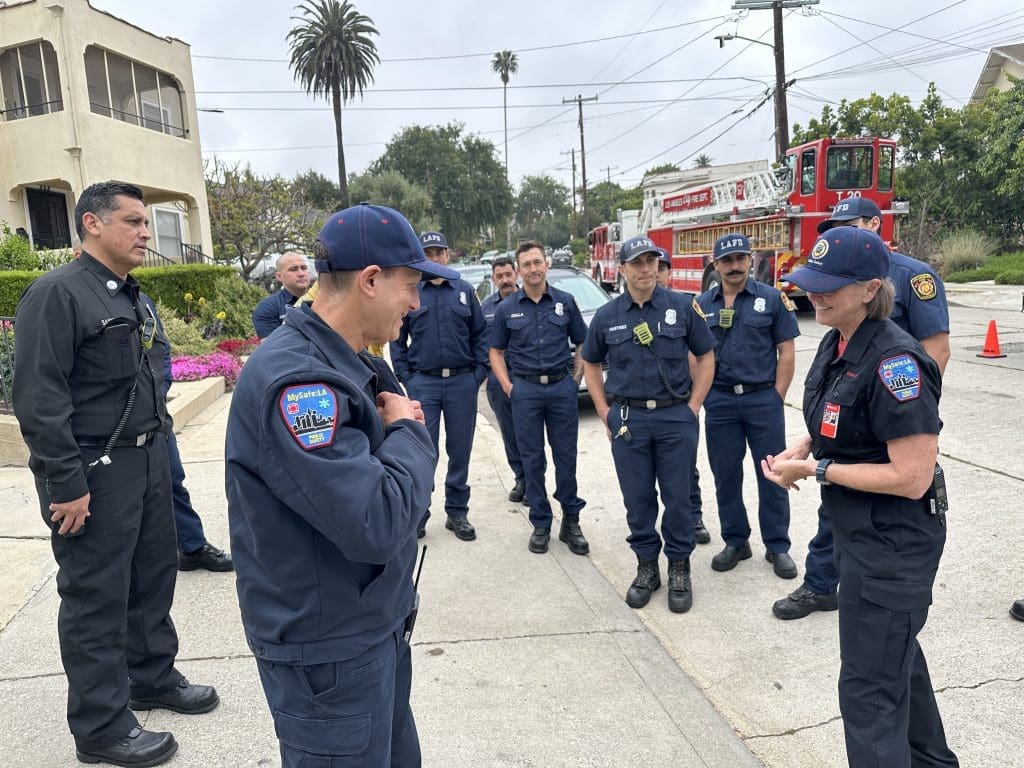
MySafe:LA was created to serve as an intermediary between communities and first responders. Our mission is simple but demanding: to bring people together to build resilience—not only to wildfire, but to earthquakes, extreme heat, and other disasters that increasingly define life in Southern California.
Over the past several years, this approach has produced tangible results.
As of December 2025, MySafe:LA has participated in and guided the development of more than 34 Fire Safe Councils across Los Angeles County. Just a few years ago, there were fewer than three. These councils are not symbolic entities; they are working, community-led organizations that reduce wildfire risk through fuel mitigation, education, evacuation planning, and neighbor-to-neighbor coordination.
Similarly, with MySafe: LA’s support, participation in the NFPA Firewise program has grown dramatically: more than 83 Firewise sites have been completed and approved, with many additional communities currently in development. Firewise participation does not eliminate wildfire risk, but it reduces vulnerability and improves outcomes when a fire occurs.
The lesson is clear: organized communities are safer communities.
Recovery Does Not End After One Year
For wildfire survivors, the first year after disaster is often defined by urgency—finding housing, navigating insurance, and addressing immediate needs. The second year can be even more difficult. Resources diminish, public attention wanes, and the emotional toll becomes increasingly difficult to ignore.
Recognizing this, MySafe:LA is expanding its focus in 2026 to address not only preparedness, but sustained recovery and renewal.
One key initiative is the development of a Second-Year Recovery Workbook explicitly designed for individuals and families impacted by wildfire. This resource is intended to help people reassess their situation, plan realistically for the year ahead, rebuild support networks, and prepare for future wildfire risks while still recovering from past losses.
Recovery is not linear, and this workbook reflects that reality. It is meant to support people where they are—not where they are expected to be.
Creativity, Connection, and Healing
Disaster recovery is not solely about infrastructure and finances. It is also about identity, expression, and connection.
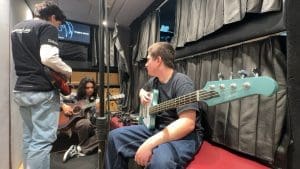
In 2026, MySafe:LA is launching a musical initiative that brings together high school students displaced by wildfire, particularly those whose campuses were destroyed. These students have lost more than physical buildings; they have lost gathering spaces, routines, and a sense of normalcy.
Music offers a powerful way to process loss, build connection, and express hope. By creating opportunities for young people to collaborate and create together, this initiative supports resilience in a profoundly human way.
Making Evacuation Education Meaningful
Evacuation remains one of the most misunderstood and emotionally charged aspects of wildfire safety. Too often, people receive instructions without understanding the decision-making process behind them or their own responsibilities during an incident.
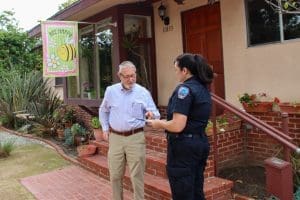
In 2026, MySafe:LA is expanding its public evacuation workshop series in collaboration with the Los Angeles Fire Department and the Los Angeles Police Department. These workshops are designed to demystify evacuation by addressing how decisions are made on scene, why early evacuation matters, and how new tools, such as the Genasys emergency notification platform, integrate with systems such as Watch Duty.
Clear communication saves lives. Confusion costs them.
Supporting Older Adults and Vulnerable Populations
Older adults face unique challenges during wildfire—from mobility limitations to technology barriers. MySafe:LA is expanding workshops specifically designed to support older residents, with a focus on technology use, building trusted support networks, and planning for early evacuation.
Preparedness must be inclusive. If it omits those at most significant risk, it is incomplete.

Continuing the Work That Builds Long-Term Resilience
In addition to new initiatives, MySafe:LA will continue its core work in 2026:
- Supporting the creation and sustainability of Fire Safe Councils
- Expanding NFPA Firewise participation
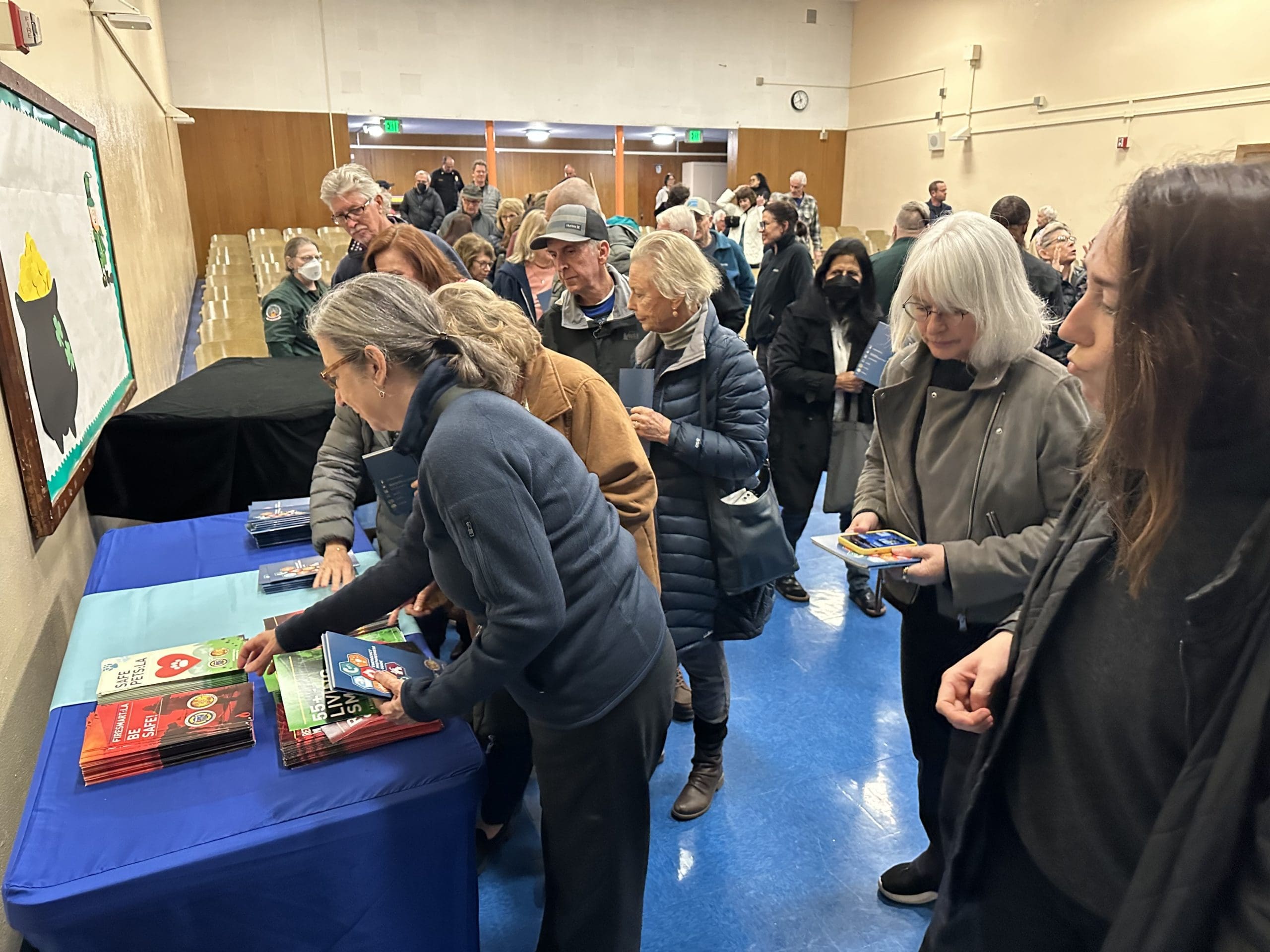
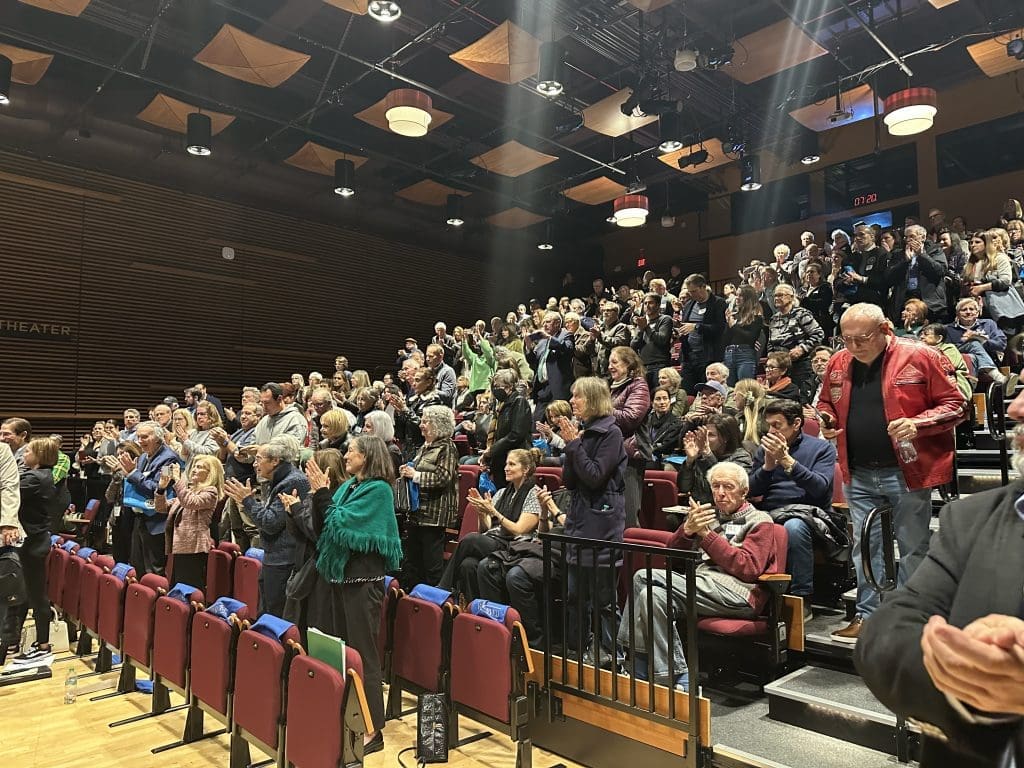
- Hosting monthly wildfire town halls
- Launching an expanded and redesigned web platform for public engagement
These efforts are proactive rather than reactive. They are designed to ensure that communities are better prepared for the next wildfire.
Looking Ahead With Realism and Optimism
Optimism does not mean ignoring risk. It means believing that collective action can change outcomes.
In 2026, MySafe:LA is committed to bringing together homeowners, renters, older adults, young people, and community leaders who believe that preparedness, connection, and shared responsibility make a difference.
For those who are tired.
For those who feel stuck.
For those unsure whether they can remain or must leave.
There is still an opportunity ahead.
Resilience is not about returning to what was. It is about building what comes next—with intention, honesty, and community.
As we move through 2026, we invite anyone who needs to connect, prepare, or rebuild to join us. Together, we believe the worst can be behind us—and the best still ahead.