As Californians enter a new year, many are hoping for a sense of renewal—a fresh start after years of wildfire loss, disruption, and recovery. But for tens of thousands of homeowners across the state, particularly those impacted by wildfires over the past six years, 2026 arrives with a bitter reminder: the wildfire insurance crisis remains unresolved.
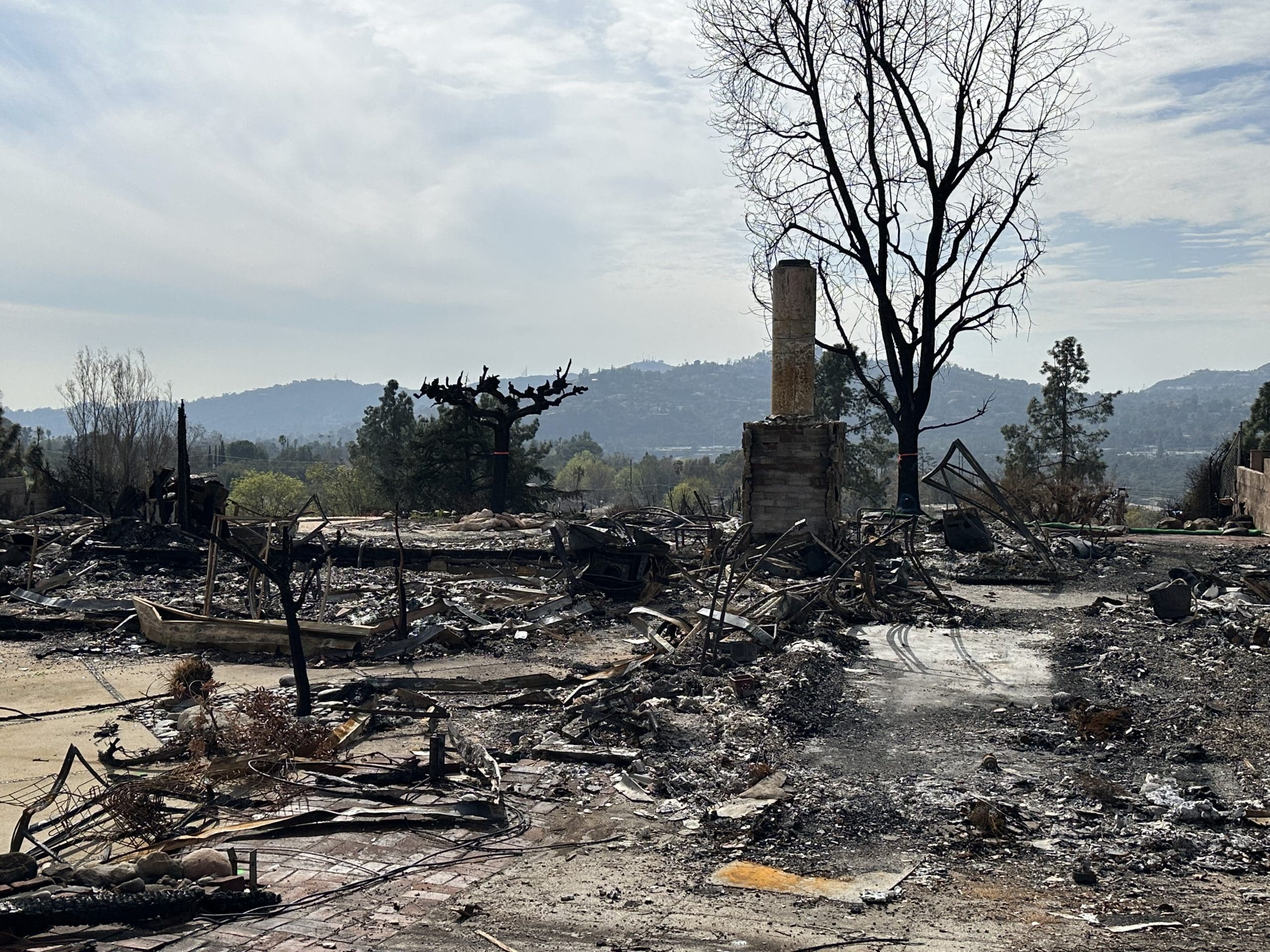
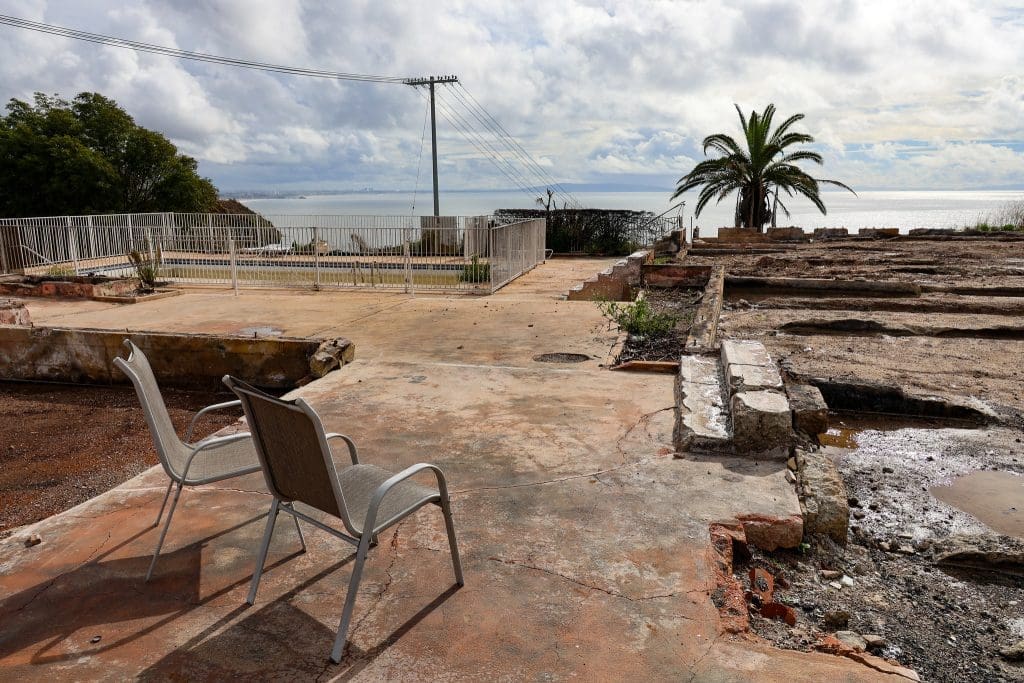
For families who lost homes in Altadena and Pacific Palisades, this crisis is not theoretical. It is personal. It is financial. And for many, it is ongoing.
Insurance is supposed to be the safety net—the backstop that allows people to rebuild, recover, and remain rooted in their communities after disaster strikes. Instead, for a growing number of wildfire survivors, insurance has become another obstacle, another fight, and another source of trauma layered on top of loss.
This is not a story about isolated claims disputes or rare bad actors. It is a systemic problem—one that continues to erode trust, stability, and resilience across California.
Paying for Protection That Doesn’t Show Up
Homeowners purchase insurance for one reason: protection against the worst outcome. Premiums are paid faithfully, often for decades, with the understanding that if a home is destroyed by fire, the policy will respond.
Yet repeated post-fire analyses indicate that the vast majority of homeowners are never fully compensated for wildfire losses. Many receive partial payouts that fall far short of rebuilding costs. Others face months—or years—of delays. Some are denied outright, despite clear evidence of loss.
To understand how this feels, imagine this scenario:
You pull into a gas station, pay for a full tank of gas, and drive away with only a few gallons—or none at all. You complain, and you’re told to come back later. You return, and the rules have changed. Eventually, you’re exhausted, late for work, and out of options.
That is how wildfire insurance works for far too many Californians.
The issue isn’t that insurance companies don’t collect premiums. It’s that when disaster strikes, the promise those premiums represent often dissolves into fine print, delay tactics, and procedural hurdles that most people are ill-equipped to navigate—especially while displaced, grieving, and under financial strain.
When Oversight Finally Works—But Only Under Pressure
In late 2025, the Los Angeles County Board of Supervisors launched an investigation into State Farm, citing widespread delays and denials in processing wildfire claims. For many homeowners, the investigation confirmed what they had already experienced firsthand: that the system was not working as intended.
What happened next was telling.
Within days of the investigation becoming public, payments began moving. Claims that had been stalled or denied were suddenly reconsidered. Checks were issued. Communication improved.
This raises a troubling question:
If accountability only emerges after public scrutiny and political pressure, what happens to homeowners who lack visibility, connections, or the energy to keep fighting?
The lesson is clear: pressure works. However, insurers should be required to honor their contractual obligations.
The California Department of Insurance: Promises Without Teeth
The California Department of Insurance (CDI) has repeatedly acknowledged problems in the wildfire insurance market and has pledged reforms to protect consumers. These efforts include public guidance, insurer engagement, and regulatory initiatives.
Yet for many wildfire survivors, these actions feel insufficient.
The core concern is not awareness—it is enforcement.
Without meaningful consequences for delayed payments, narrow interpretations of coverage, or procedural stonewalling, insurers face little incentive to change behavior. Oversight without enforcement is not protection; it is theater.
For homeowners navigating loss, delays are not administrative inconveniences. They mean:
- Prolonged displacement
- Mounting debt
- Missed rebuilding windows
- Emotional exhaustion
Time, in this context, is not neutral. It actively harms people.
The FAIR Plan: Last Resort, Growing Risk
As traditional insurers retreat from wildfire-prone areas, more Californians are being pushed into the California FAIR Plan—the state’s insurer of last resort.
FAIR Plan policies have surged dramatically in recent years, reflecting a market failure rather than a consumer choice. For many homeowners, the FAIR Plan is not a preference—it is the only option left.
But the FAIR Plan was never designed to insure such a large and diverse portfolio of high-risk properties. Its rapid growth raises serious concerns about long-term solvency, claims capacity, and systemic risk.
To some observers, the situation feels uncomfortably familiar—echoing the subprime mortgage market before the 2008 financial collapse, where risk accumulated quietly until it could no longer be absorbed.
If a major wildfire were to impact multiple regions simultaneously, would the FAIR Plan be able to pay all claims in full and on time? That question remains unanswered mainly—and deeply unsettling.
The Human Cost of a Broken System
Behind every insurance claim is a human story.
Families have been displaced for years—seniors watching lifelong homes reduced to ash. Parents are trying to maintain stability for children while fighting paperwork battles they never expected.
The cumulative effect is profound. Many homeowners describe feeling:
- Powerless
- Overwhelmed
- Isolated
- Discouraged from even trying again
This emotional toll is one of the least discussed—but most damaging—consequences of the wildfire insurance crisis. When people lose faith in systems designed to protect them, community resilience suffers.
And yet, despite this reality, one message must be made clear as we enter 2026:
Homeowners are not helpless.

A Call to Action for 2026: Don’t Give Up
Change rarely comes from silence or resignation. It comes from persistence, engagement, and collective action.
If your wildfire insurance claim is denied:
- Resubmit it.
- Appeal it.
- Document everything.
Gather collateral evidence:
- Photos and videos
- Contractor estimates
- Engineering reports
- Fire department records
- Statements from neighbors and local officials
Engage your community. You are not alone—and shared experiences carry weight.
Escalate when necessary:
- Contact elected officials
- File formal complaints
- Engage oversight bodies
- Bring public attention when private channels fail
And at a broader level:
- Vote for change
- Support consumer protections
- Demand accountability
- Make good trouble
History shows that reforms in insurance, labor, housing, and civil rights did not occur because systems voluntarily improved. They happened because people refused to disengage.
This Is About Fairness—Not Favor
No one is asking to take something they didn’t earn.
Homeowners are asking for what they were promised:
- Coverage aligned with real risk
- Timely, fair claim handling
- Transparency in decision-making
- Accountability when systems fail
Insurance is a contract. When one side consistently fails to honor it, the public has both the right and the responsibility to demand change.

Looking Forward
Wildfires will continue to shape California’s future. Insurance must evolve alongside climate realities, but it must do so with homeowners—not at their expense.
As 2026 begins, the challenge is not simply to rebuild homes, but to restore trust. That will require:
- Stronger oversight
- Enforceable standards
- Political courage
- An engaged and informed public
Most of all, it will require people to stay in the fight.
Because a new year should not come with the same old failures—and because when people persist, systems eventually change.
Don’t give up.