As multiple wildfires continue burning across Southern California, smoke from these incidents is drifting dozens—and in some cases more than 100 miles—from the active fire zones, creating unhealthy air conditions for millions of residents.
Recent fires including the Sandy Fire in Ventura County, the Bain Fire in Riverside County, and other active incidents across the state have generated large smoke plumes affecting communities well beyond the immediate burn areas.
The danger is not just the fire itself—it’s the smoke.
Wildfire smoke contains tiny particles known as PM2.5, microscopic pollutants that can travel deep into the lungs and bloodstream. Exposure to wildfire smoke can irritate the eyes and throat, worsen asthma and heart conditions, and increase health risks for children, older adults, and people with respiratory illnesses.
What Is a Smoke Advisory?
The South Coast Air Quality Management District (South Coast AQMD) issues Smoke Advisory warnings when large fires create unhealthy air quality conditions across Southern California. These advisories are designed to inform the public about current and predicted smoke impacts and to help residents take steps to protect their health.
Importantly, AQMD warns that even if you are far from a wildfire, smoke and ash may still affect your area. If you smell smoke or see ash, you should limit outdoor activity and take precautions.
How to Check Air Quality Near You
One of the best tools available to the public is PurpleAir, an online air quality monitoring platform that provides real-time neighborhood-level air quality information using thousands of sensors across California.
Residents can use PurpleAir to:
- Monitor air quality near their home or workplace
- Track smoke movement in real time
- Make informed decisions about outdoor activities
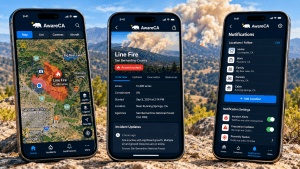
You can also monitor active wildfire incidents through the CAL FIRE Active Incidents Map, which provides updated information on fires burning across California, including acreage, containment, evacuation warnings, and smoke conditions.
How to Protect Yourself from Wildfire Smoke
When smoke levels rise:
- Stay indoors as much as possible
- Keep windows and doors closed
- Use air conditioning or filtration systems if available
- Avoid strenuous outdoor activity
- Consider using a properly fitted N95 mask if you must be outside
- Monitor air quality regularly using PurpleAir or AQMD resources
Wildfire smoke is now a recurring part of life in Southern California. Understanding air quality conditions—and taking them seriously—is an important part of protecting your health and your family.