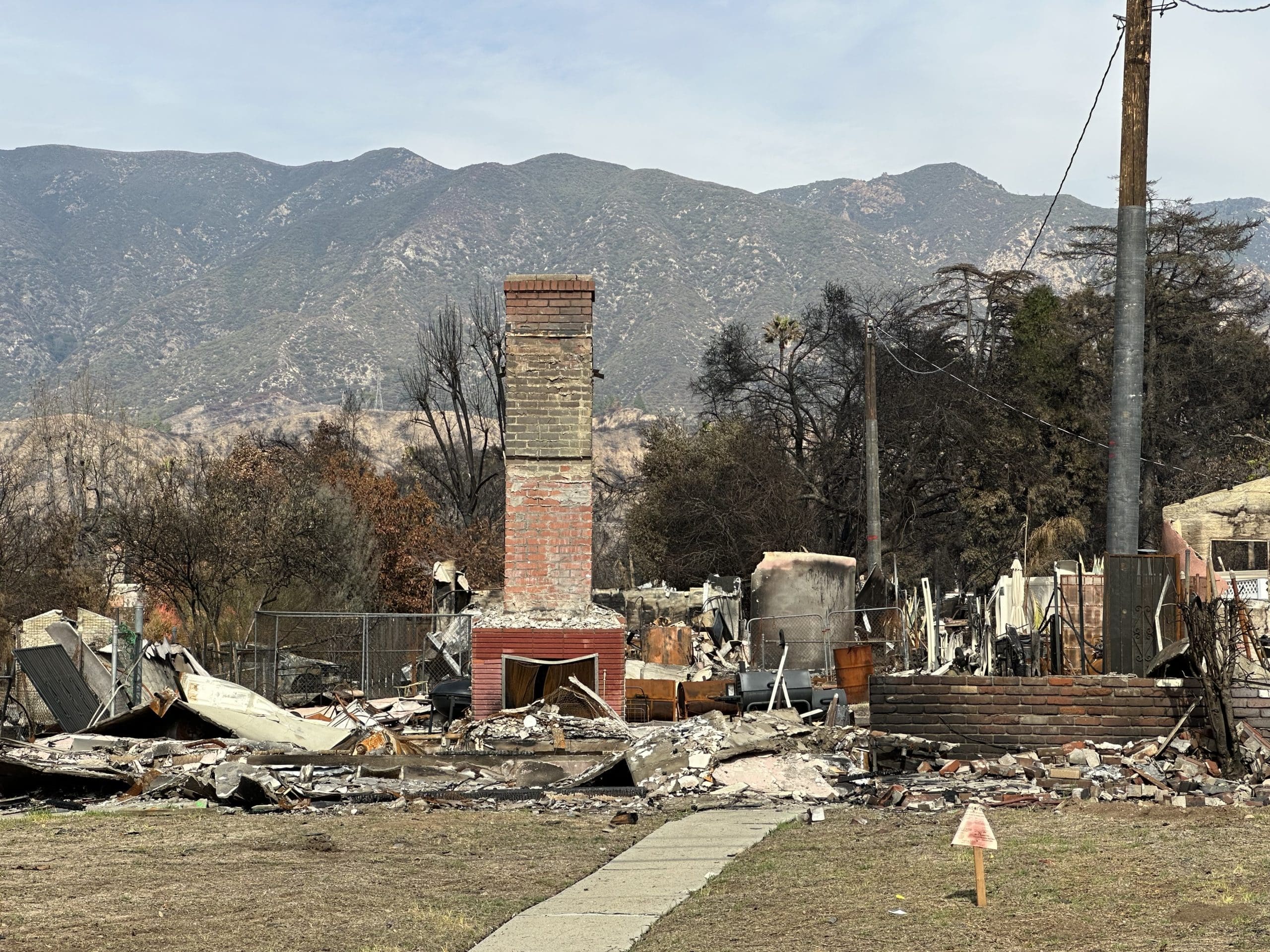
As rebuilding begins across wildfire-impacted communities, questions remain about what the fires left behind—out of sight, but not without risk.
As residents in Pacific Palisades, Malibu, and Altadena begin the long process of rebuilding following the January 2025 wildfires, a critical issue is gaining increased attention: soil contamination.
While debris removal and structural damage were immediately visible in the aftermath of the fires, the condition of the soil beneath those properties remains far less certain—and, in many cases, insufficiently tested.
Limited Testing, Lingering Questions
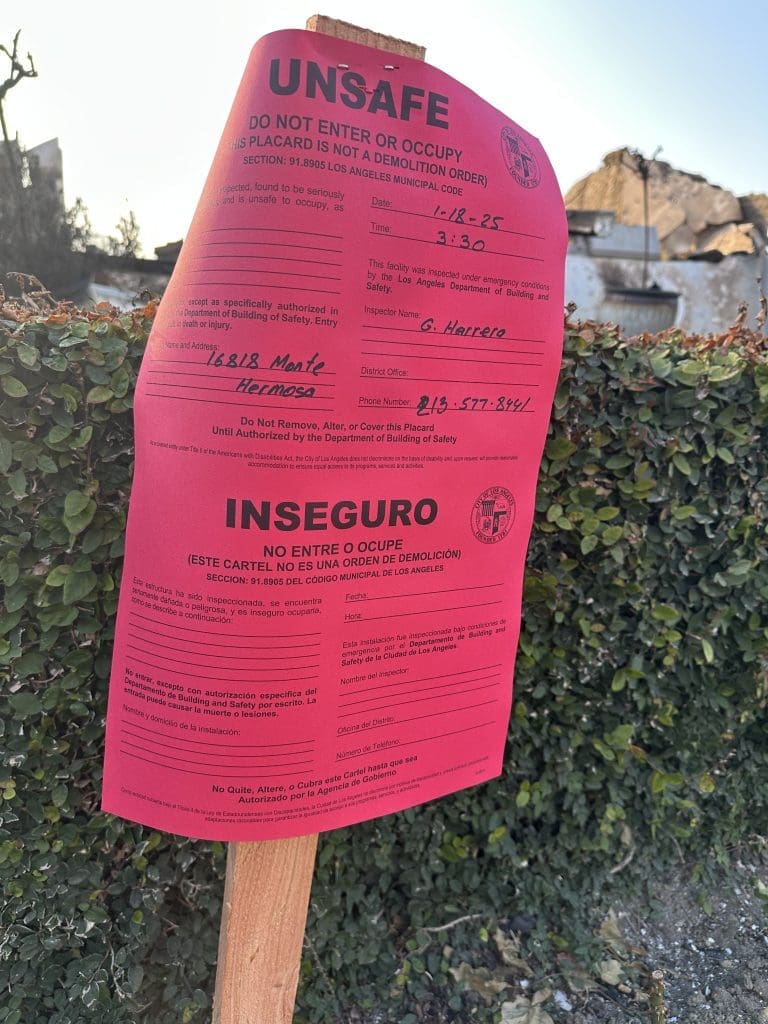
In the months following the fires, the U.S. Army Corps of Engineers conducted soil assessments on a number of impacted parcels as part of the broader debris removal effort. However, those tests were generally limited in scope and depth.
In many cases, soil sampling was conducted to a depth of approximately six inches.
For environmental scientists and public health experts, that depth raises concerns.
Wildfires—particularly urban conflagrations like those seen in January 2025—do not simply burn vegetation. They consume homes, vehicles, plastics, treated wood, electronics, and household chemicals. When these materials burn, they can release heavy metals, toxic compounds, and persistent contaminants that settle into the soil at varying depths.
Testing only the upper layer may not capture the full extent of contamination, particularly in areas where ash and debris were disturbed during cleanup operations or where contaminants may have migrated deeper into the soil profile.
As a result, many parcels across Los Angeles County may not yet have a complete or accurate picture of what remains underground.
The Science Behind the Concern
The issue of post-wildfire soil contamination has been explored in depth through recent research and public discussion, including two episodes of the REBUILD:LA podcast.
In Episode 53, Dr. Seth John and Sujeet Rao of USC’s CLEAN Project outlined the potential risks associated with post-fire soil conditions. Their work focuses on identifying and understanding contaminants left behind after urban fires, including:
• Lead and other heavy metals
• Polycyclic aromatic hydrocarbons (PAHs)
• Dioxins and other toxic combustion byproducts
• Residual chemicals from building materials and household products
Their message is clear: what burns does not simply disappear—it transforms and often persists in the environment.
These contaminants can pose risks not only during rebuilding, but long after occupancy resumes, particularly for children, older adults, and individuals with underlying health conditions.
When a Home Survives—but the Risk Remains
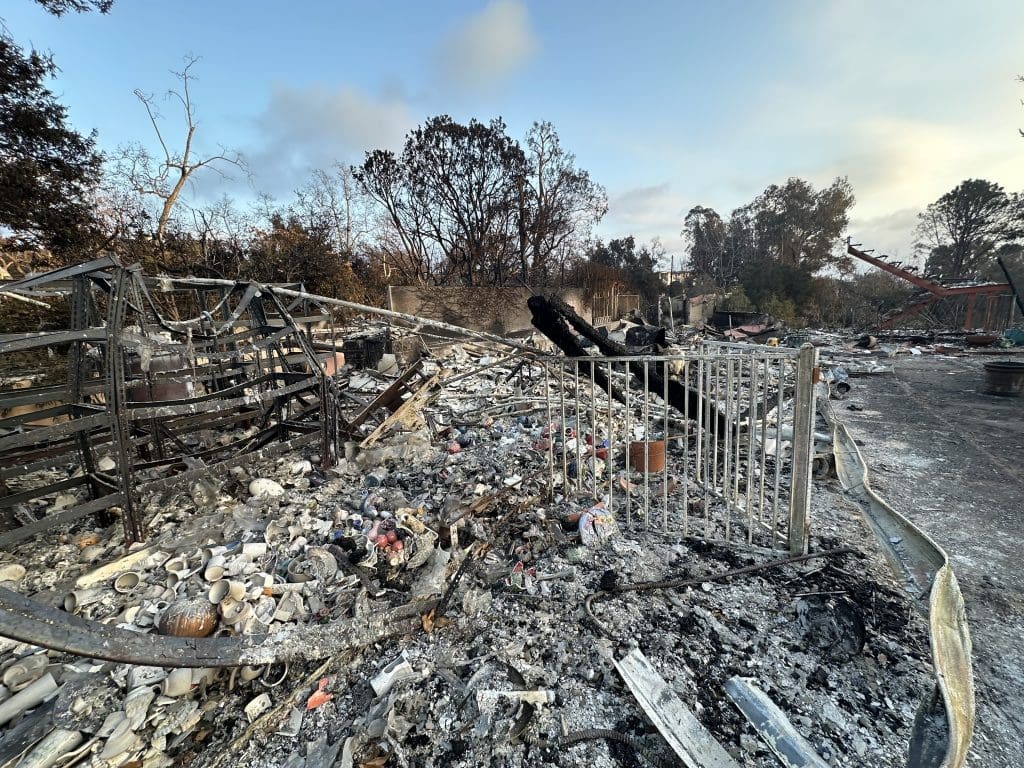
Soil contamination is not limited to properties where structures were destroyed.
As discussed in Episode 52 of REBUILD:LA, Nicole Maccalla of Eaton Fire Residents United emphasized that even homes left standing may still be impacted by toxic exposure. Wind-driven embers and smoke can carry fine particulate matter and contaminants across neighborhoods, depositing them on and around properties that appear otherwise intact.
This means that homeowners returning to properties that did not burn may still face environmental hazards that are not immediately visible.
“Just because your home is still standing doesn’t mean you’ve escaped the fire,” is a reality many residents are now confronting.
The Gap Between Cleanup and Certification
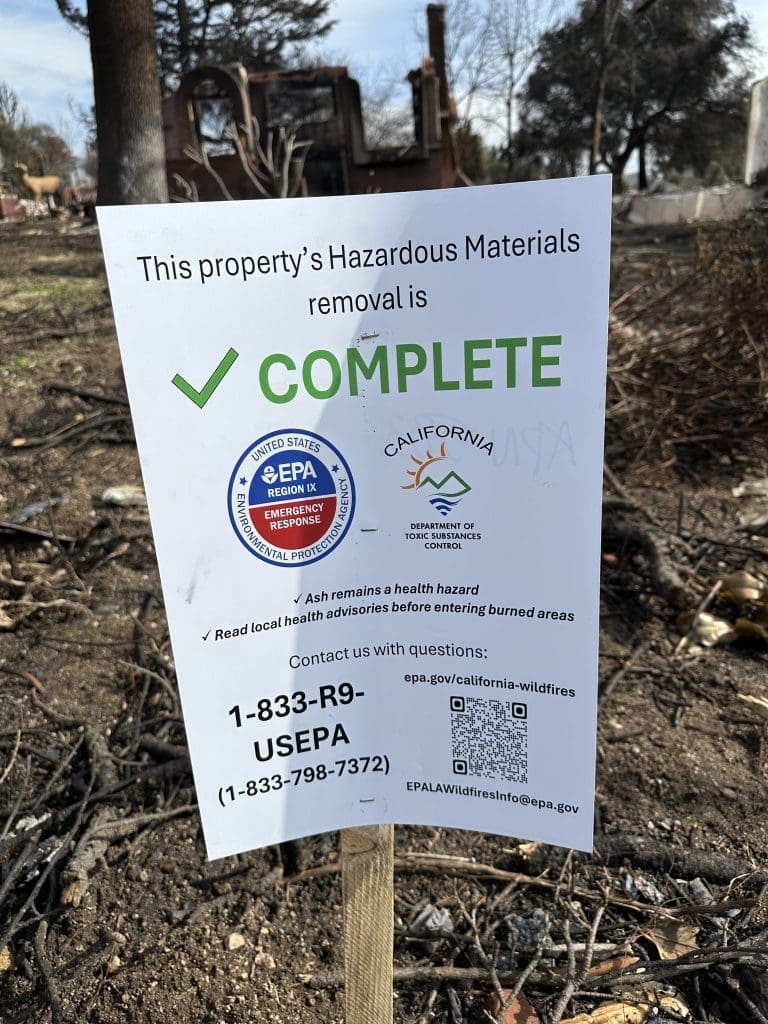
For many residents, the completion of debris removal created a sense of closure—a signal that rebuilding could begin. However, debris removal is not the same as environmental clearance.
Current protocols often focus on removing visible hazards and conducting limited soil scraping or testing. In many cases, there is no requirement for comprehensive, parcel-specific environmental testing before rebuilding begins.
This creates a gap between what has been cleaned and what has been confirmed as safe.
For homeowners, contractors, and future occupants, that gap represents uncertainty—and, potentially, risk.
What Residents Should Consider
As rebuilding efforts accelerate across Los Angeles County, residents are increasingly asking what steps they should take to ensure their property is safe.
While guidance continues to evolve, experts and community advocates are pointing to several key considerations:
- Independent Soil Testing: Consider engaging qualified environmental professionals to conduct deeper and more comprehensive soil testing beyond initial government assessments.
- Understanding Test Results: Not all contamination is immediately obvious. Interpreting results requires expertise in environmental science and public health standards.
- Construction Precautions: During rebuilding, soil disturbance can reintroduce contaminants into the air. Proper mitigation measures may be necessary.
- Long-Term Exposure Risks: Soil contamination can affect not only construction workers, but also future residents through dust, gardening, and everyday outdoor activity.
These steps are not always simple or inexpensive—but they may be critical in ensuring long-term safety.
A Growing Area of Public Concern
Soil contamination is emerging as one of the most complex and least understood aspects of wildfire recovery.
It sits at the intersection of environmental science, public health, policy, and personal decision-making. It also highlights a broader challenge: the systems designed to respond to wildfire are not always equipped to address the long-term environmental consequences of urban fire events.
As more residents begin to rebuild, the demand for clearer guidance, more comprehensive testing, and consistent standards is likely to grow.
Moving Forward With Awareness
Recovery after wildfire is never straightforward. It involves not only rebuilding structures, but restoring confidence in the safety of the land itself.
For residents in Pacific Palisades, Malibu, Altadena, and other impacted communities, understanding what lies beneath their properties is an essential part of that process.
As research continues and awareness grows, one thing is becoming increasingly clear:
What remains after a wildfire is not always visible—but it matters.
Editor’s Note: We will present a special report on soil testing and the risks involved in a Spring Virtual Fire Safe Council meeting.