For MySafe:LA, resilience is not a slogan. It is a connected system of prevention, training, recovery, and neighborhood leadership that starts with children, reaches families and institutions, and helps communities face everything from house fires and earthquakes to major wildfires.
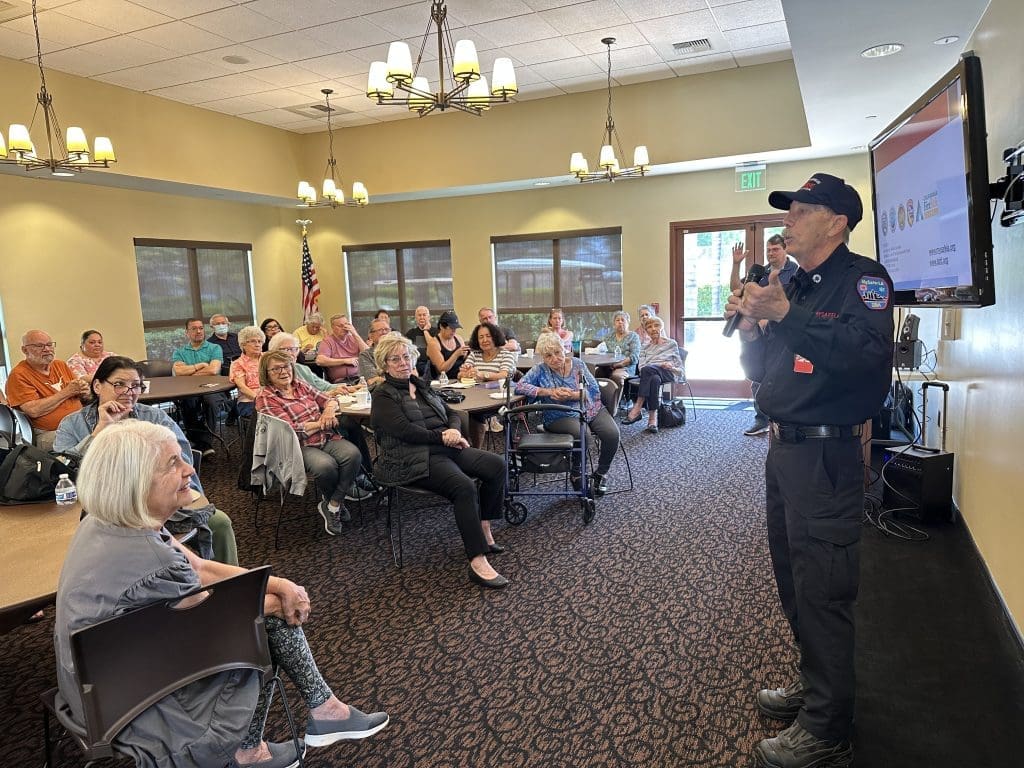
Resilience can sound abstract until you see how it works on the ground. At MySafe:LA, it begins long before disaster and extends long after headlines fade. The organization has partnered with the Los Angeles City Fire Department since 2008 while remaining a separate nonprofit focused on home fire safety, wildfire, and community resilience. On its Wildfire Los Angeles platform, MySafe:LA describes Community Risk Reduction as more than “fire prevention”: it starts with identifying measurable risk, building a plan, delivering services, measuring outcomes, and filling gaps in public education and safety support.
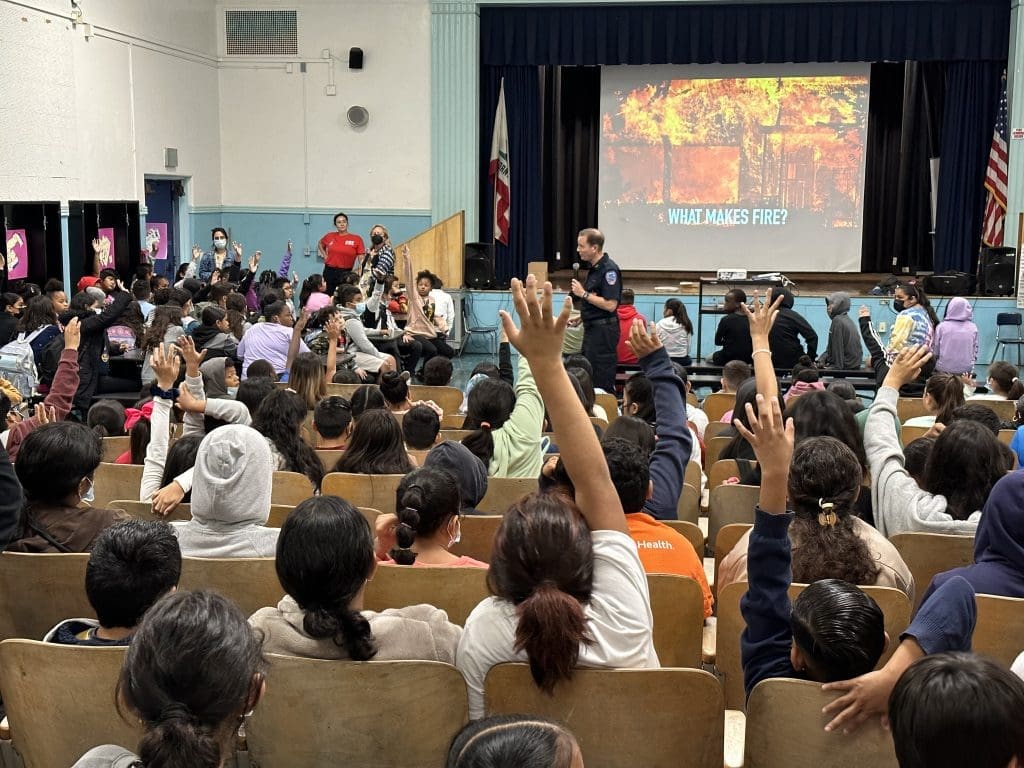

That work starts in schools. MySafe:LA’s elementary-school programs teach children how to escape a house fire, understand smoke alarms and carbon monoxide detectors, call 911, and protect pets in an emergency. Its earthquake education follows the same philosophy, showing students not only what to do before, during, and after a quake, but also reinforcing those lessons through realistic drills involving teachers, families, firefighters, and other first responders. The idea is simple and powerful: when children learn safety, families listen.
By high school, resilience becomes more hands-on. MySafe:LA’s programs support California’s hands-only CPR requirement and teach students how to perform CPR, use an AED, and work together during sudden cardiac arrest. For adults, the organization extends that training through Red Cross-certified Adult First Aid/CPR/AED classes and related workplace instruction. At The Huntington, for example, MySafe:LA paired CPR and AED certification for staff with broader emergency-response planning and campus safety improvements.


In neighborhoods, resilience looks practical and immediate. MySafe:LA canvasses at-risk streets nearly every week, sending teams door to door to inspect homes, talk with residents, and install free smoke alarms and CO detectors where needed. The organization says its teams include first responders such as EMTs, paramedics, and wildland firefighters, and that they also deploy after fatality fires to canvass surrounding blocks and improve safety in adjacent homes. Public MySafe:LA materials point to a long-term decline in home-fire deaths associated with this work: a 2023 city-hosted overview said the average number of home-fire fatalities in Los Angeles had fallen from 22 through 2014 to 14 through the end of 2022. MySafe:LA has installed more than 102,000 free smoke alarms installed over the previous decade.
But MySafe:LA’s core mission is ultimately about the largest risks facing Los Angeles. On WildfireLA.org, the organization describes a neighborhood-by-neighborhood wildfire strategy built around Fire Safe Councils, NFPA Firewise participation, home hardening, evacuation readiness, and community-led planning. The Los Angeles Wildfire Resilience Alliance, led by LAFD and MySafe:LA, frames that work around building more resilient neighborhoods, educating the public in wildfire-prone zones, creating measurable progress, and reducing the threat to life and property. MySafe:LA also describes itself as the Community Risk Reduction component of this effort, working alongside fire-department partners to fill gaps in public education and services.
That work has accelerated quickly. WildfireLA reported that, as of December 2025, MySafe:LA had helped guide the development of more than 34 Fire Safe Councils and more than 83 approved Firewise sites across Los Angeles County, with many more communities still in development. At the same time, the organization is building the City of Los Angeles Community Wildfire Protection Plan (CWPP), a community-focused document meant to explain hazards, infrastructure, mitigation, response, and recovery in a city where more than 246,000 residential properties face major wildfire risk over the next 30 years. MySafe:LA also supports LAFD, LAPD, and other agencies with repopulation teams after major fires.
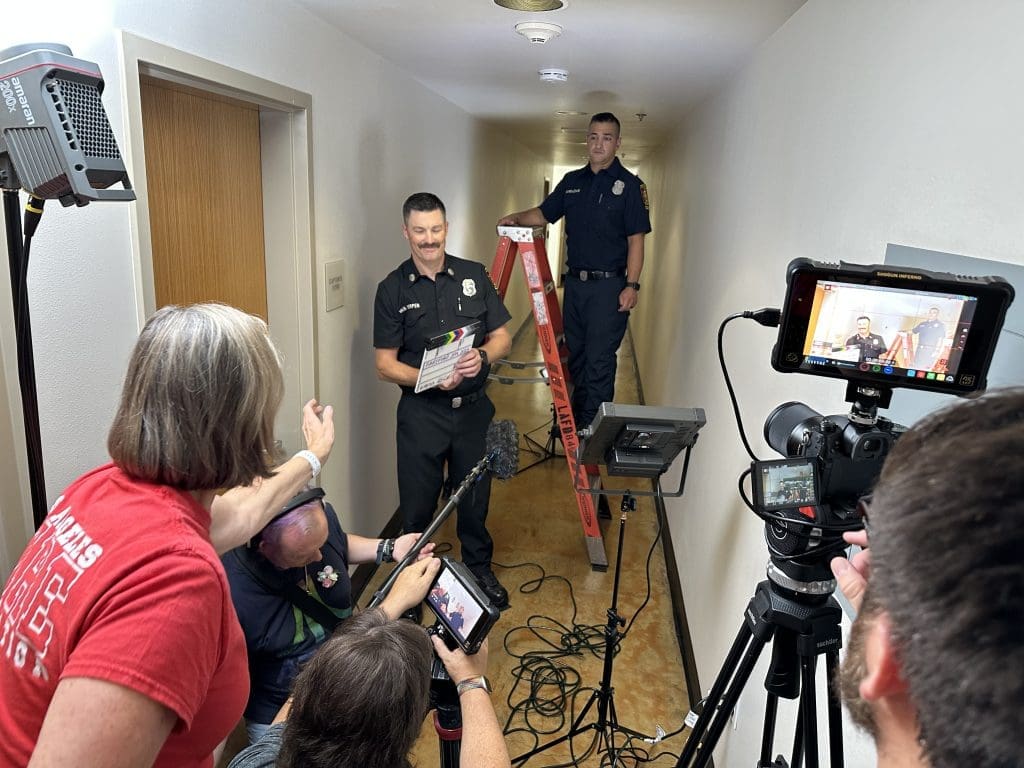
In MySafe:LA’s model, resilience is not only technical. It also includes operations planning, evacuation education, and recovery support. The organization says it develops emergency operations plans for museums, libraries, and corporations, creates public safety fairs and evacuation workshops, and builds training content through an in-house film unit and online learning systems. After the January 2025 fires, that recovery work also took a more human form: in February 2026, MySafe:LA partnered with the John Lennon Educational Tour Bus to help students from fire-affected communities in Altadena, Pasadena, and Pacific Palisades create original songs and videos rooted in recovery, resilience, and hope.

All of that is backed by an unusually broad internal team. MySafe:LA’s public materials point to expertise in training, research, logistics, and technology, while its award-winning media and training units develop content for both community education and firefighter safety. But the organization is just as clear about what matters most: collaboration. MySafe:LA says safer neighborhoods are never built by one agency alone. Resilience, in that sense, is people helping people — neighbors organizing before the sirens, families sharing what they learn, and communities deciding that readiness is a shared responsibility. That is the work MySafe:LA says it will keep doing in 2026 and beyond.